
Climb Mount Kilimanjaro – Complete Guide
Routes, Difficulty, Cost, Best Time & Expert Advice
Climbing Mount Kilimanjaro is one of the most iconic adventures on Earth. Standing at 5,895 meters (19,341 ft), it is Africa’s highest mountain and the tallest free-standing mountain in the world.
Unlike many famous peaks, Kilimanjaro requires no technical climbing skills—yet it remains a serious physical and mental challenge due to altitude. With the right preparation, route choice, and professional local guides, reaching Uhuru Peak is an achievable dream.
At Neyano Ze Motherland, we help climbers from around the world summit Kilimanjaro safely, ethically, and successfully.
Why Climb Mount Kilimanjaro?
Climbing Kilimanjaro is more than a trek—it’s a transformational journey.
Stand on the Roof of Africa
Walk through five distinct climate zones
No ropes or technical mountaineering required
Witness unforgettable sunrises above the clouds
Support local communities and ethical tourism
Many climbers say Kilimanjaro is the hardest thing they’ve ever done—and the most rewarding.
Where Is Mount Kilimanjaro Located?
Mount Kilimanjaro is located in northern Tanzania, near the border with Kenya, inside Kilimanjaro National Park, a UNESCO World Heritage Site.
The nearest town is Moshi, which serves as the main base for climbers. All Neyano Ze Motherland climbs begin and end here, with pre- and post-trek accommodation included.
Kilimanjaro has three volcanic cones:
Kibo (highest, contains Uhuru Peak)
Mawenzi
Shira
How Difficult Is It to Climb Mount Kilimanjaro?
Kilimanjaro is not technical, but it is physically demanding.
Main challenges:
High altitude & low oxygen
Long hiking days
Cold temperatures near the summit
Mental endurance
What matters more than fitness:
Acclimatization time
Route choice
Pace (“pole pole”)
Experienced guides
💡 Even very fit people can fail if they rush the climb.
Altitude Sickness on Kilimanjaro (What You Must Know)
Altitude sickness is the number one reason climbers fail to reach the summit.
At Neyano Ze Motherland, we reduce risk by:
Choosing longer routes
Using “climb high, sleep low” profiles
Conducting daily health checks
Carrying emergency oxygen
Training guides in altitude response
👉 Safety is non-negotiable.
| Route | Days | Crowds | Acclimatization | Success Rate | Best For |
|---|---|---|---|---|---|
|
Machame
|
7
|
Medium
|
Good
|
High
|
Scenic & adventurous
|
|
Lemosho
|
8
|
Low
|
Excellent
|
Very High
|
Best overall choice
|
|
Northern Circuit
|
9
|
Very Low
|
Outstanding
|
Highest
|
Maximum safety
|
|
Rongai
|
8
|
Low
|
Good
|
High
|
Drier, quieter climbs
|
|
Marangu
|
6
|
High
|
Limited
|
Moderate
|
Hut accommodation
|
Best Time to Climb Mount Kilimanjaro
Kilimanjaro can be climbed year-round, but conditions vary.
Best Seasons:
January – March: Clear skies, colder nights, fewer crowds
June – October: Dry season, most popular
Rainy Seasons:
April–May: Heavy rain (less recommended)
November: Short rains (Rongai Route works well)
Mount Kilimanjaro Routes
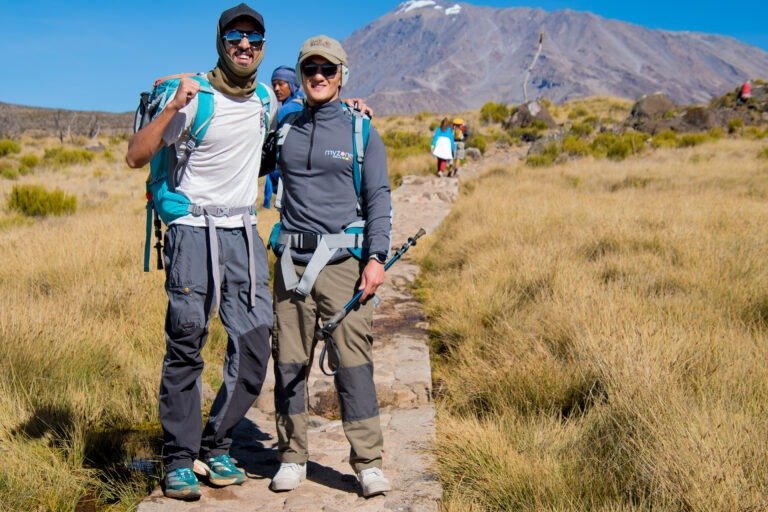
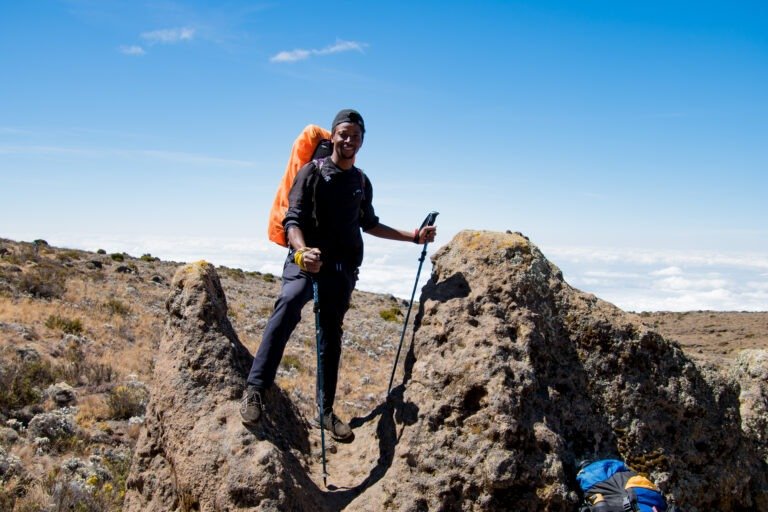
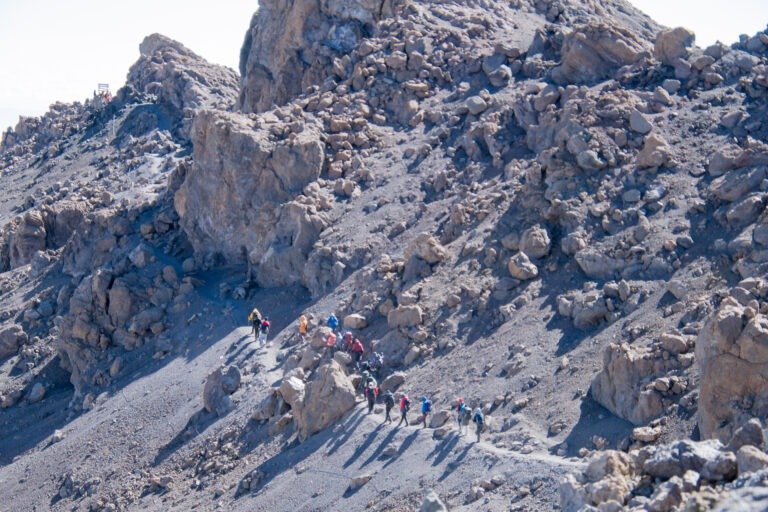
6 Days Marangu Route
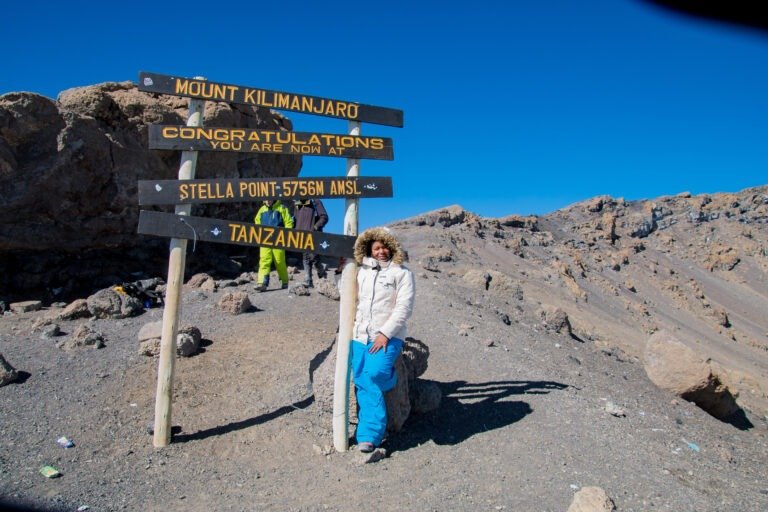
7 Days Machame Route
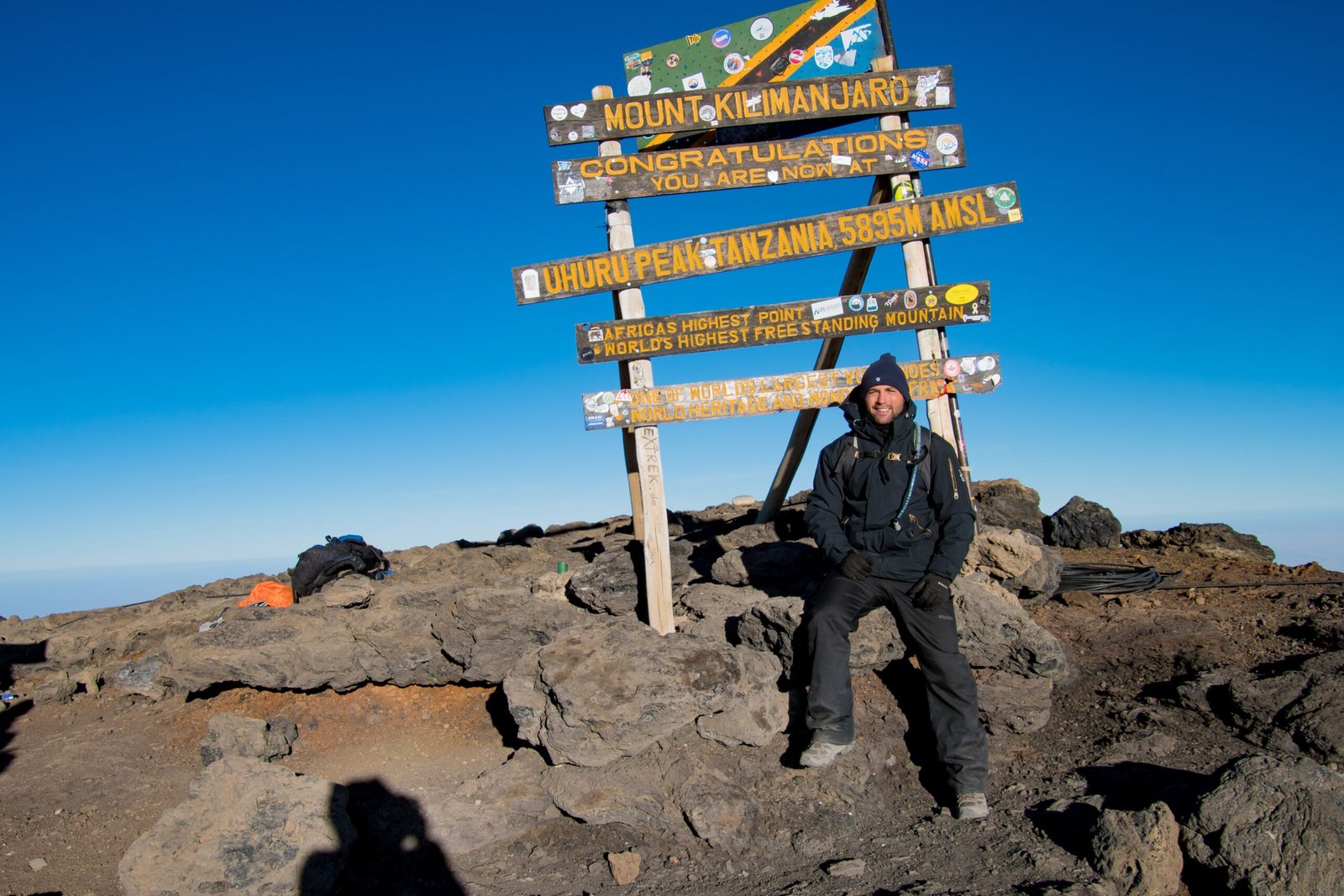
8 Days Lemosho Route
What’s Included
- All park, camping & rescue fees
- Professional certified mountain guide(s)
- Experienced porters & cook (ethical porter treatment)
- All meals on the mountain
- Quality tents, sleeping mats & dining equipment
- Clean drinking water throughout the trek
- Airport transfers (JRO)
- Pre-trek briefing & equipment check
- Accommodation before & after the climb
- Kilimanjaro summit certificate
- 24/7 on-ground support from Neyano Ze Motherland
What’s Not Included
- International flights & visa fees
- Travel & medical insurance (mandatory)
- Personal trekking gear
- Tips for guides, porters & cook
- Personal expenses (drinks, laundry, calls)
- Optional safari or Zanzibar extension
Our Guides & Porter Welfare
We believe how you climb matters.
Fair porter wages
Proper meals & shelter
Safe load limits
Experienced, certified guides
✔ Ethical tourism
✔ Community support
✔ Responsible climbing
How Much Does It Cost to Climb Kilimanjaro?
Prices vary based on:
Route length
Group size
Level of service
Cheapest is rarely safest.
We focus on value, safety, and success, not cutting corners.
Typical range: USD 1,650 – 3,500 per person
Frequently Asked Questions About Mount Kilimanjaro
No. Trekking experience helps, but technical skills are not required.
Between 6 and 9 days on the mountain, depending on route.
Yes, with proper acclimatization and professional guides.
Absolutely—and many climbers do.
Ready to Begin Your East African Adventure?
Let our local experts design your perfect safari.